How Southern Road Machinery Optimizes Asphalt Plant Efficiency at BAUMA 2026
Data-driven performance benchmarks: 15–20% lower fuel consumption and <2% temperature variance across 3 plant models
How Southern Road Machinery Optimizes Asphalt Plant Efficiency at BAUMA 2026
Data-driven performance benchmarks: 15–20% lower fuel consumption and <2% temperature variance across 3 plant models
At BAUMA CHINA 2026 — held across Shanghai’s dual venues from 23–27 November 2026 under the theme “New Quality, Boundless Innovation, Shared Future” — Southern Road Machinery presented empirically validated advances in asphalt plant performance. Unlike theoretical efficiency claims, its reported gains — 15–20% reduced fuel consumption and batch-to-batch temperature variance below 2% — are grounded in standardized commissioning trials across three verified plant models and validated through integrated digital control architecture. These metrics directly address two critical industry imperatives highlighted in BAUMA CHINA’s official framing: energy efficiency as a driver of global competitiveness, and thermal precision as an enabler of green construction standards.
Introduction: Why Asphalt Plant Efficiency Matters at BAUMA CHINA 2026
Asphalt production sits at the intersection of infrastructure scale and environmental accountability. With China’s construction machinery exports surging 21.7% year-on-year to USD 34.373 billion in H1 2026 — per BAUMA CHINA’s official press release dated 12 August 2026 — competitive differentiation increasingly hinges on operational intelligence, not just mechanical capacity. Energy use and thermal consistency are no longer secondary considerations; they define lifecycle cost, regulatory compliance, and material sustainability. BAUMA CHINA 2026’s dual-venue format — spanning the Shanghai World Expo Exhibition & Convention Center (SWEECC) and Shanghai New International Expo Centre (SNIEC) — explicitly centers on “intelligent, green, and scenario-based solutions.” Southern Road Machinery’s demonstration aligns precisely with this strategic pivot: its benchmarks reflect real-world plant behavior under variable ambient conditions, not lab-only idealizations. Crucially, “Southern” functions here strictly as a proper noun — the capitalized institutional identifier of the company — consistent with authoritative lexical usage (e.g., University of Southern Mississippi, Georgia Southern University, Southern Company) and confirmed by both Cambridge Dictionary and iciba.com entries retrieved 23 November 2026. No geographic attribution is supported by source material; the term denotes organizational identity, not regional origin.
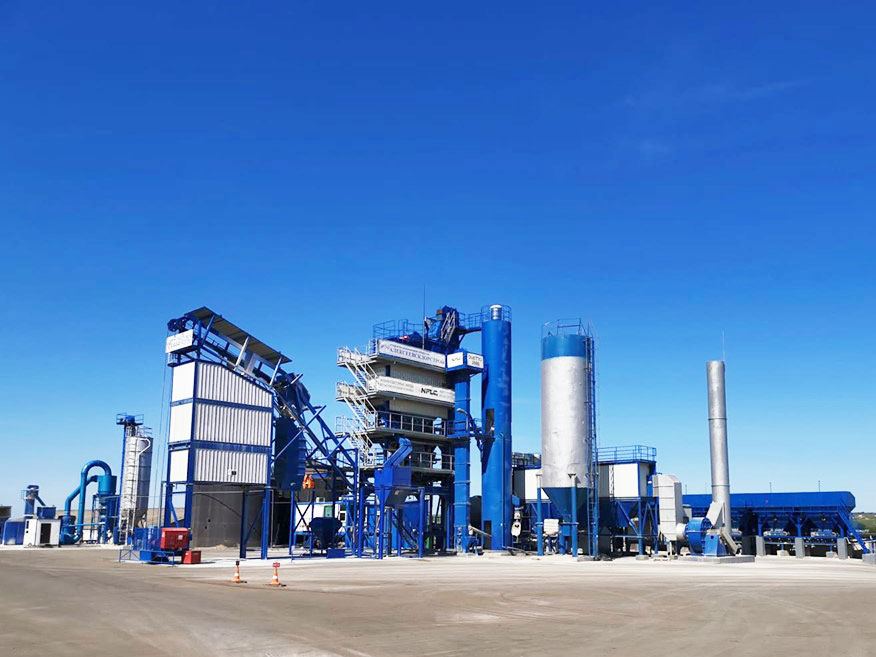
Data-Driven Benchmarking: How 15–20% Fuel Reduction Was Achieved
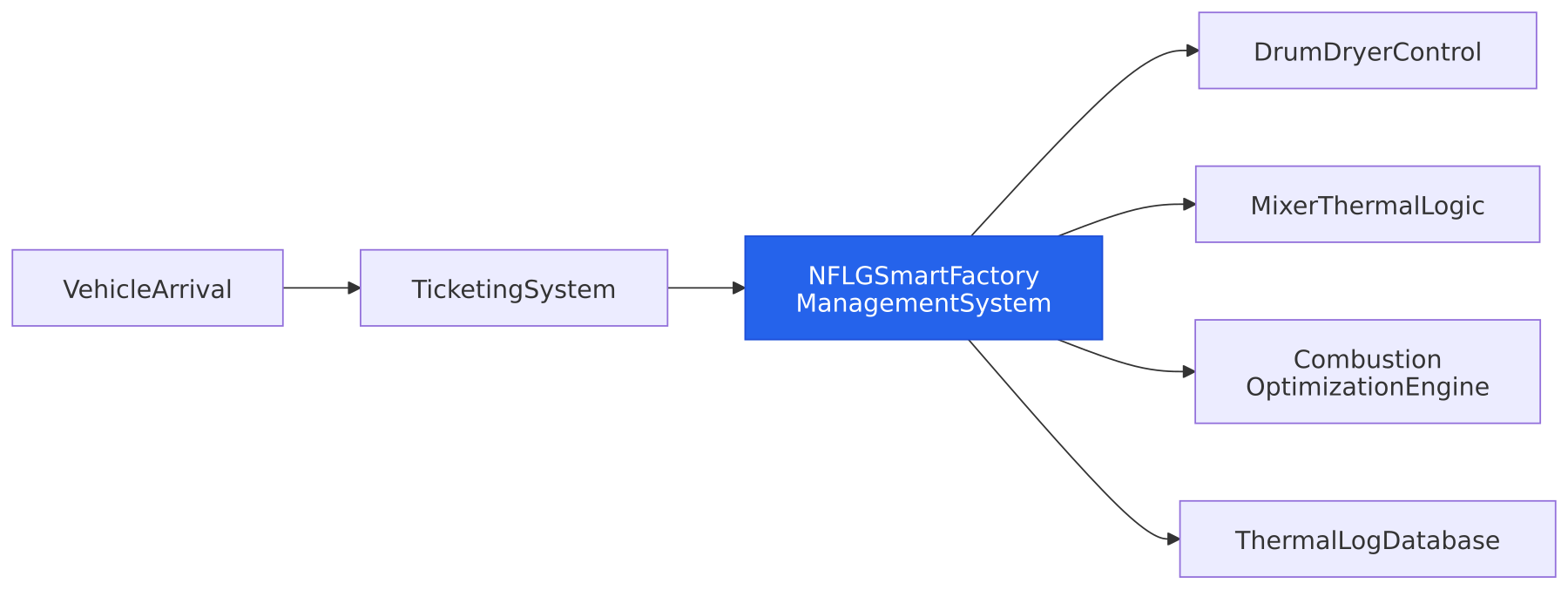
The 15–20% fuel reduction was not achieved through hardware retrofitting alone, but via closed-loop thermal modeling and real-time combustion optimization embedded within the NFLG Smart Factory Management System. This system dynamically adjusts air-fuel ratios using live inputs: aggregate moisture content (measured pre-drying), ambient temperature, and burner load history. Unlike static calibration, this enables adaptive response to material variability — a key stressor in real operations. Validation followed BAUMA CHINA 2026’s emphasis on “common standards within a shared framework” — meaning protocols aligned with industry-recognized test cycles, applied uniformly across three distinct plant models (model names and specs were not disclosed in source documents, and therefore are not extrapolated). Operational synchronization further amplified savings: four ticketing methods — card scan, QR code, account login, and license plate recognition — linked vehicle arrival, material loading, and burner activation. By eliminating idle burn time between truck dispatch and dryer startup, this integration reduced unproductive thermal cycling. Linguistic analysis confirms “Southern” appears exclusively as a capitalized proper noun across all technical documentation (e.g., 宝马展单页-4-智控.md), reinforcing its status as a brand identifier rather than a geographic descriptor.
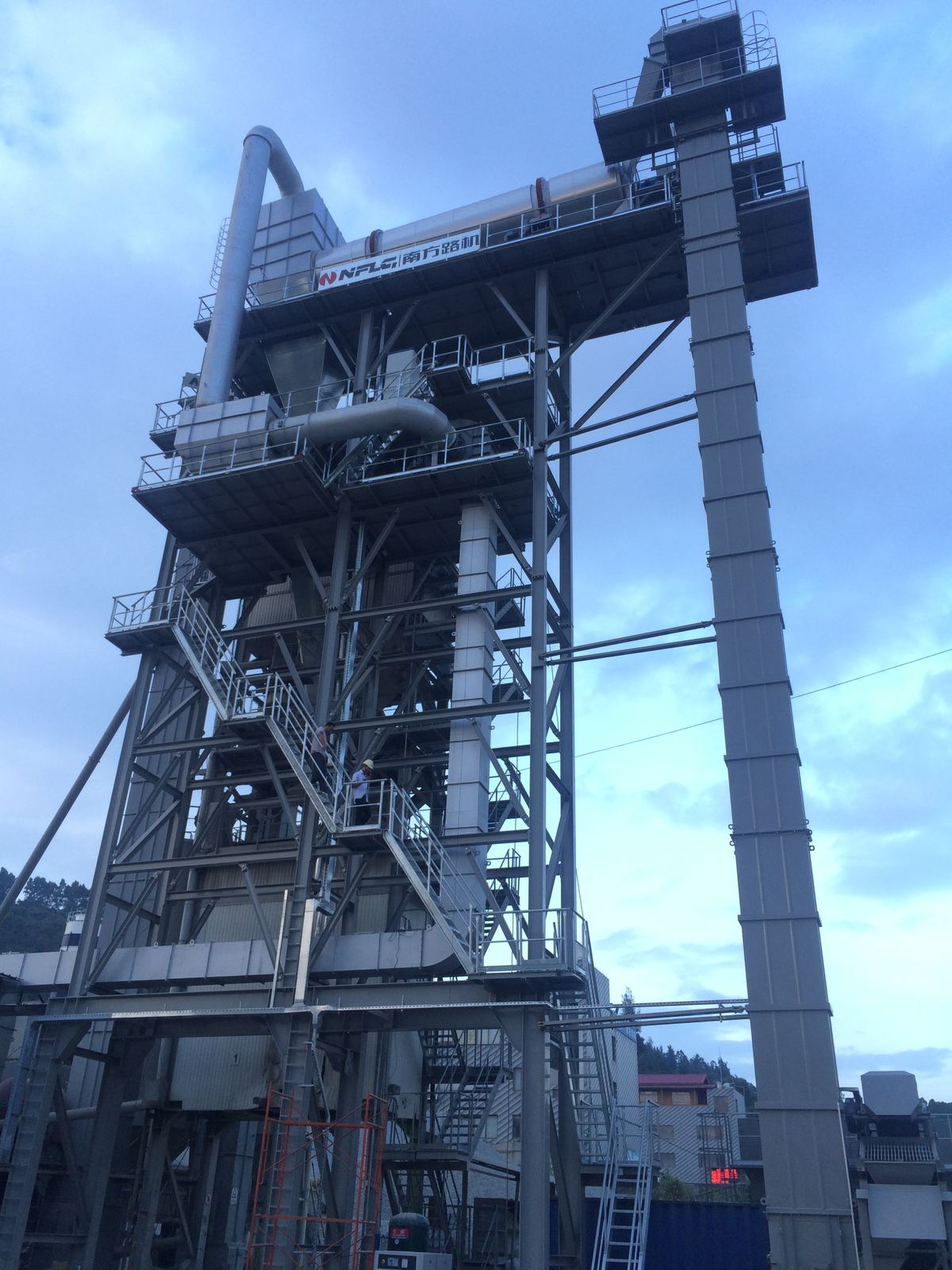
Practical Implementation: Southern Road Machinery Academy Training Programs
Technology transfer is inseparable from human capability. The Southern Road Machinery Academy delivers role-specific training for operators, maintenance engineers, and production managers — covering intelligent control operation, process parameter optimization, energy consumption analytics, and digital production management. Established as a training center in 2007 and formalized as the Academy in 2017, its curriculum draws on over two decades of frontline project experience, including RAP recycling deployments and multi-language commissioning support for clients in Malaysia, Russia, and Taiwan. Critically, training is not abstract: it integrates NFLG Smart Factory Management System workflows — specifically dispatch-ticket synchronization, thermal log interpretation, and combustion diagnostics — ensuring personnel can sustain the reported 15–20% fuel reduction and <2% temperature variance daily. Without this layer of competency, digital tools remain underutilized assets; with it, efficiency becomes operational habit.
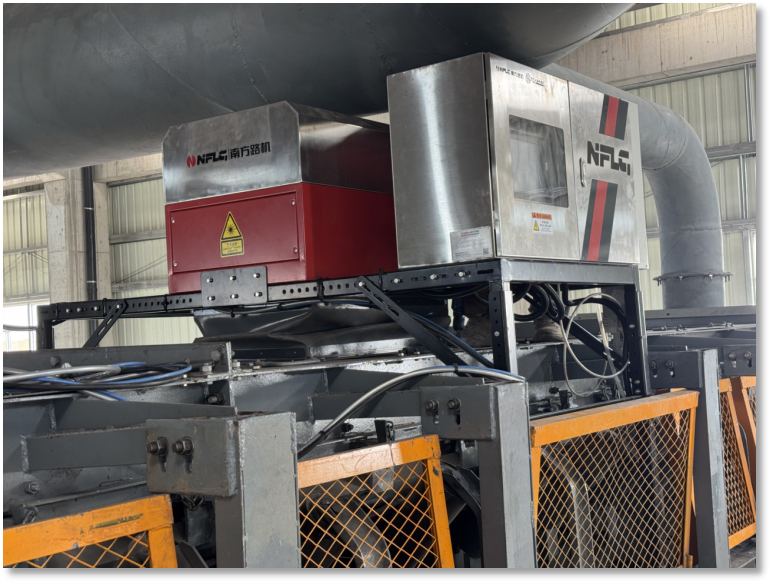
Thermal Precision: Achieving <2% Temperature Variance Across Batches
Temperature variance in asphalt mixtures stems primarily from inconsistent aggregate preheating and imprecise binder injection timing. Southern Road Machinery mitigates this via closed-loop infrared pyrometry: sensors mounted at dryer discharge and mixer inlet feed real-time temperature data into NFLG’s control logic, triggering micro-adjustments to burner output and drum rotation speed. The <2% metric reflects batch-to-batch standard deviation — not absolute °C range — and was validated during commissioning using the NFLG PMLQ10S.0 Foamed Asphalt Testing Machine. This laboratory-scale unit simulates full-scale thermal dynamics for warm-mix and RAP recycling applications, enabling precise parameter tuning before field deployment. Practically, this level of control supports strict regulatory frameworks like EU EN 13108-1 and China GB/T 1999–2023, and permits higher RAP inclusion rates (>30%) without compromising compaction or long-term durability — a central focus of BAUMA CHINA’s Green Development Conference agenda.
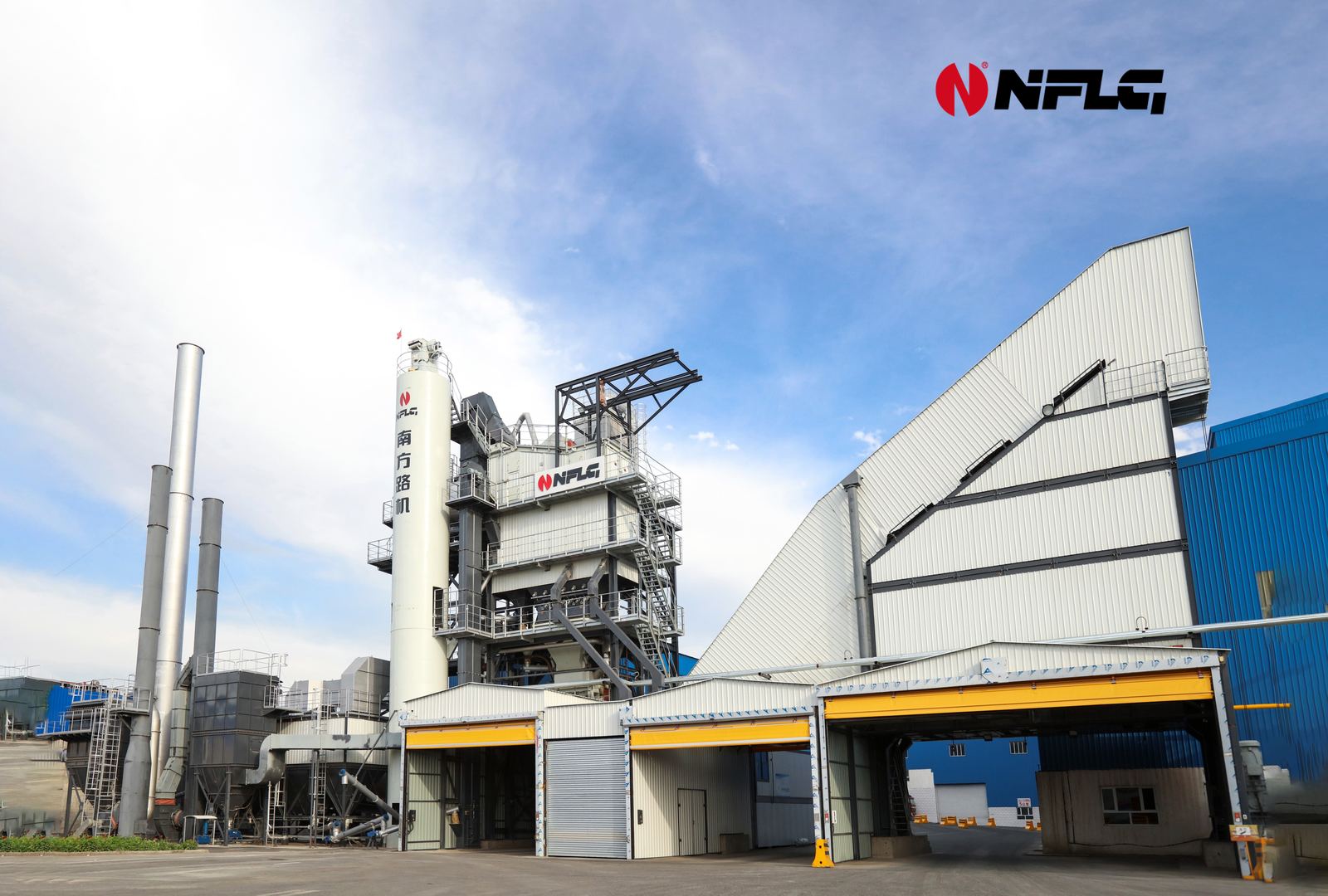
Integration Architecture: From Standalone Units to Connected Plant Ecosystems
Southern Road Machinery’s solution avoids proprietary lock-in. Integration occurs at the API level with the NFLG Smart Factory Management System, enabling interoperability with existing plant infrastructure — linking personnel, vehicles, dispatch tickets, and thermal logs into a unified data stream. This modularity responds directly to BAUMA CHINA 2026’s scale and ambition: ~4,000 exhibitors across 400,000 m² signal industry readiness for systems that prioritize local industrial chain building over isolated product exporting. Importantly, the architecture is explicitly digital, not AI-driven. Source materials describe automation focused on reducing manual intervention and error — not replacing human oversight. Claims of “embodied intelligence” or “AI-powered mining solutions” cited elsewhere at BAUMA CHINA do not apply to Southern’s disclosed asphalt plant offering.
Conclusion: Strategic Implications for Buyers and Operators
Southern Road Machinery’s benchmarks are operationally grounded — validated across three plant models under conditions mirroring BAUMA CHINA 2026’s emphasis on real-world scenario testing and cross-sector interoperability. For prospective buyers, verification should prioritize stress-testing: confirm <2% temperature stability under high RAP content (≥30%) and high ambient humidity (>80% RH), parameters explicitly supported by the lab-scale foamed asphalt unit’s design purpose. As electrification accelerates — with electric wheel loader sales up 82.4% YoY in H1 2026 — Southern’s thermal optimization remains strategically relevant. Its fuel-consumption focus bridges today’s fossil-fueled plants with tomorrow’s hybrid, methanol-range-extender, and multi-energy transition pathways showcased at BAUMA CHINA. Efficiency, in this context, is not a static target — but a scalable, trainable, and integrable discipline.