Cconcrete
Commercial concrete batching plant capacity selection
Commercial concrete batching plant capacity selection starts with one distinction: the theoretical output printed in a product datasheet is not the tonnage you will dispatch every hour of every shift. The HZS series datasheets list theoretical outputs of 120, 180 and 240 cubic metres per hour , and each figure is tied to a specific mixer size and batching cycle. This article explains how to read those figures, how the batching cycle limits real output, and how to turn a capacity decision into a quotation checklist.
- Published:
- Updated:
- Author:
- NFLG Technical Team
- Publisher:
- NFLG
Nameplate output versus sustained output
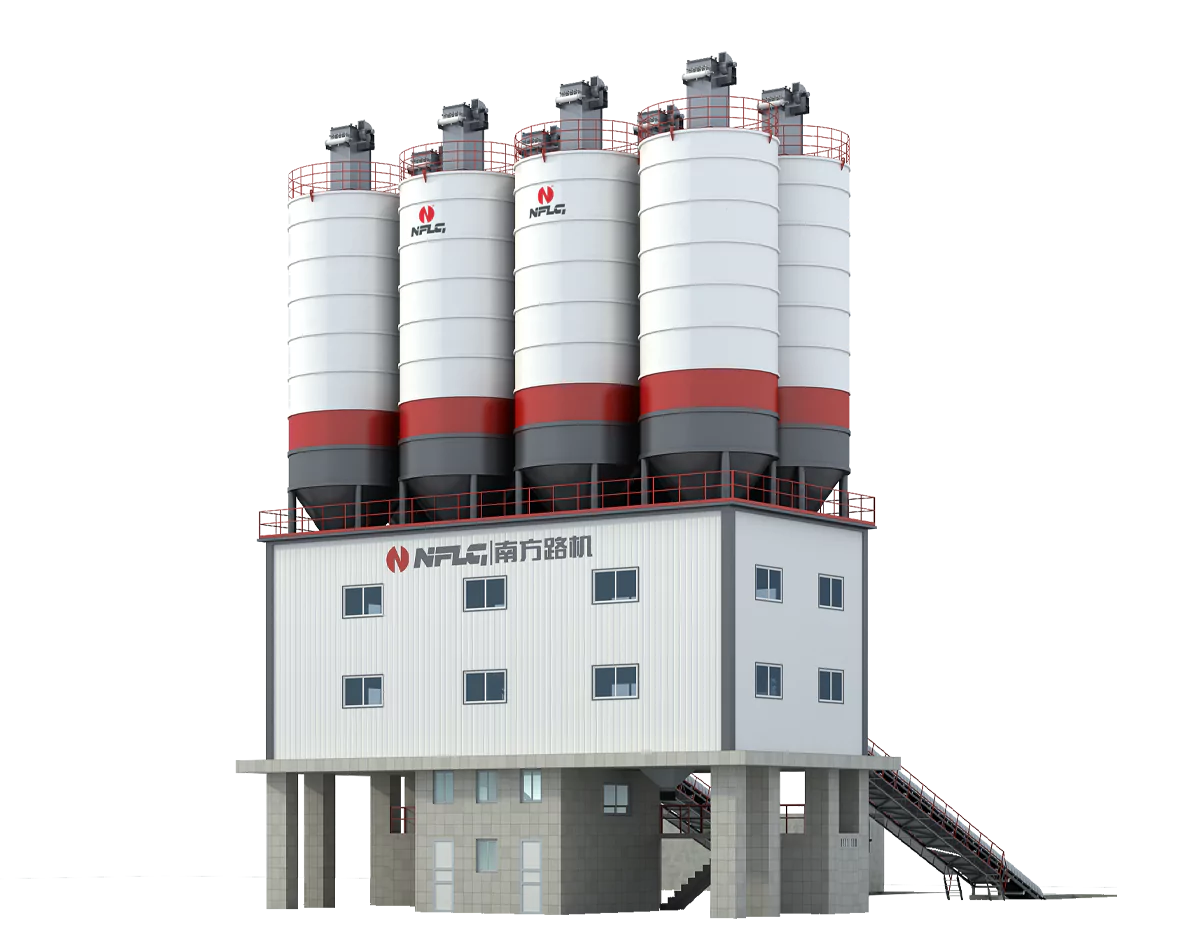
The number in a model name is a theoretical output. The HZS120 is rated at a theoretical output of 120 cubic metres per hour with a 2 cubic metre twin-shaft mixer . The HZS180 is rated at a theoretical output of 180 cubic metres per hour with a 3 cubic metre mixer . The HZS240 is rated at a theoretical output of 240 cubic metres per hour with a 4.5 cubic metre mixer .
Theoretical output assumes the plant runs continuously at its design cycle with no interruptions. Real sustained output is reduced by truck changes, mix design changes, aggregate loading, cleaning, and the demand pattern of the site being supplied. When you compare quotations, ask each supplier to state the cycle time behind the theoretical figure and the assumptions used.
Why the mixer volume matters more than the model number
The mixer volume is the physical basis of the rating. A larger drum holds more material per batch, so fewer batches are needed to reach the same hourly total. Because the model number is derived from the theoretical hourly output, two plants with similar model numbers but different mixer volumes will behave differently in service. Check the mixer volume in the datasheet rather than relying on the model name alone.
Reading the HZS series capacity figures
The three datasheets in this range follow the same structure, which makes them comparable side by side.
The HZS120 is a 2 cubic metre twin-shaft machine at 120 cubic metres per hour . The HZS180 steps up to a 3 cubic metre mixer at 180 cubic metres per hour . The HZS240 uses a 4.5 cubic metre mixer at 240 cubic metres per hour . Discharge height also rises across the range, from 4.0 m on the HZS120 to 4.2 m on the HZS180 and 4.5 m on the HZS240 .
Aggregate bin configuration across the range
All three models list four aggregate bins, but the bin capacity differs. The HZS180 lists four bins at 20 cubic metres each , while the HZS240 lists four bins at 25 cubic metres each . Larger bins mean fewer loader movements per shift, which supports continuous supply on high-volume pours.
Matching capacity to your demand pattern
Capacity should follow the demand pattern, not the other way round. The HZS120 datasheet positions the model for small and medium commercial concrete producers and municipal projects with moderate capacity needs and limited budgets . The HZS240 datasheet positions that model for large commercial producers and concentrated supply for major infrastructure such as long-span bridges, metro and airport expansion .
Between those two, the HZS180 sits in the mid-range. If your order book is dominated by steady commercial supply with occasional large pours, a mid-range machine may cover most of your work; if you have committed to a single large project with continuous placement, the demand profile points higher.
Peak demand versus average demand
A plant is usually sized against peak demand, not average demand. A site that averages 60 cubic metres per hour but peaks at 110 will still queue trucks if the plant cannot sustain the peak. Record the peak hourly rate you have actually been asked to supply, then compare it with the sustained output you expect after allowing for cycle losses.
How the batching cycle limits real output
Every batch consumes a fixed sequence of steps: aggregate and powder weighing, water and admixture addition, mixing, and discharge. The theoretical output assumes this sequence repeats without delay. In practice, the cycle is stretched by material feed, moisture variation and discharge conditions.
This is why the datasheet wording matters. All three models are described as theoretical output , which signals that the figure is a design value rather than a measured site result. Treat it as the ceiling for the machine, and build your production plan below that ceiling.
Cycle time and mixer size by model
Because the mixer volume and the hourly rating move together, the implied number of batches per hour is broadly consistent across the range. A larger mixer does not necessarily mean a faster cycle; it means more material per cycle. When a supplier quotes a cycle time, confirm whether it is the mixing time alone or the full batch-to-batch interval.
Accuracy, environmental and power data to compare
Capacity is only one column of the comparison. Weighing accuracy, dust and wastewater provisions, noise and power demand all affect operating cost and permitting.
On accuracy, aggregate weighing is listed at plus or minus 1.0 percent and powder and water accuracy at plus or minus 0.5 percent across the HZS range . The HZS180 and HZS240 datasheets also list admixture accuracy at plus or minus 0.5 percent .
On environment, all three models list a centralised pulse dust collector and whole-plant noise at or below 70 dB(A) . The HZS180 and HZS240 add spray dust suppression at the material yard and online dust monitoring , and both list a sand-gravel separator with a filter press for zero wastewater slurry discharge . The HZS120 lists a sand-gravel separator with a wastewater recovery system .
On power, the HZS180 datasheet lists power consumption of about 1.8 kilowatt hours per cubic metre of concrete with two 75 kilowatt mixing motors . Use that figure as the basis for an electricity cost estimate at your own tariff.
Control and monitoring features
The HZS180 datasheet lists automatic batching control with mix design calculation and archiving, plus remote monitoring through a mobile app . If your operation runs multiple plants or remote sites, confirm whether the same control scope is available on the model you are considering.
Service and support considerations
Capacity decisions are also support decisions. NFLG supplies complete equipment and integrated solutions for ready-mixed concrete, road and bridge and municipal construction , and operates service centres and spare parts warehouses in major regions, providing installation, commissioning, training and maintenance . For a plant that will run two or three shifts, spare parts availability and response distance are part of the effective capacity of the plant.
Turning capacity into a quotation checklist
Use the datasheet parameters as the checklist. Ask for the theoretical output and mixer volume, the discharge height, the aggregate bin count and individual bin capacity, the weighing accuracy for each material, the dust and wastewater provisions, the noise figure, and the power consumption per cubic metre. Then ask for the cycle time assumption behind the theoretical output and the sustained output the supplier expects under your demand pattern.
Parameters referenced on this page
| Parameter | Value | Unit |
|---|---|---|
| HZS120 theoretical output | 120 | cubic metres per hour |
| HZS120 mixer volume | 2 | cubic metres |
| HZS180 theoretical output | 180 | cubic metres per hour |
| HZS180 mixer volume | 3 | cubic metres |
| HZS240 theoretical output | 240 | cubic metres per hour |
| HZS240 mixer volume | 4.5 | cubic metres |
Frequently asked questions
- Is the model number the same as the real hourly output?
- No. The datasheets describe the figures as theoretical output, so the HZS120 at 120 cubic metres per hour, the HZS180 at 180 cubic metres per hour and the HZS240 at 240 cubic metres per hour are design values rather than measured site results . Sustained output depends on cycle time, material feed and how steadily the site draws concrete.
- How is batching accuracy verified across the range?
- The datasheets state aggregate weighing accuracy within plus or minus 1.0 percent and powder and water accuracy within plus or minus 0.5 percent across the HZS range . The HZS180 and HZS240 datasheets also list admixture accuracy at plus or minus 0.5 percent . Ask the supplier how these figures are checked on the delivered plant.
- What environmental provisions come with the larger models?
- The HZS180 and HZS240 datasheets list a centralised pulse dust collector, spray dust suppression at the material yard, online dust monitoring, and a sand-gravel separator with a filter press for zero wastewater slurry discharge . All three models list whole-plant noise at or below 70 dB(A) .
- What support is available after delivery?
- NFLG operates service centres and spare parts warehouses in major regions and provides installation, commissioning, training and maintenance . Confirm the coverage and spare parts arrangements for your specific site when requesting a quotation.
Sources and technical references
- HZS120 商品混凝土搅拌站 — 核心参数
section: HZS120 商品混凝土搅拌站 — 核心参数 - HZS240 商品混凝土搅拌站 — 核心参数
section: HZS240 商品混凝土搅拌站 — 核心参数 - HZS180 商品混凝土搅拌站 — 核心参数
section: HZS180 商品混凝土搅拌站 — 核心参数 - 南方路机 — 企业简介
section: 南方路机 — 企业简介
Access dates and edition details are recorded with the approved content package for this release.
Next step
Tell us the output you need, the mix designs you run and the space the site can give, and we will answer with the information you have to check.