Cconcrete
Aggregate moisture impact on batching plant output
Feed moisture and particle size distribution are the two variables the approved source material identifies as controlling real output on a mobile aggregate classification station. The datasheet capacity is stated as a placeholder value, and the source notes that actual throughput depends on the feed particle size distribution and moisture content . The same source material states that the station is not intended for continuous processing of high-moisture-content sticky materials, and that such working conditions should be pre-treated first .
- Published:
- Updated:
- Author:
- NFLG Technical Team
- Publisher:
- NFLG
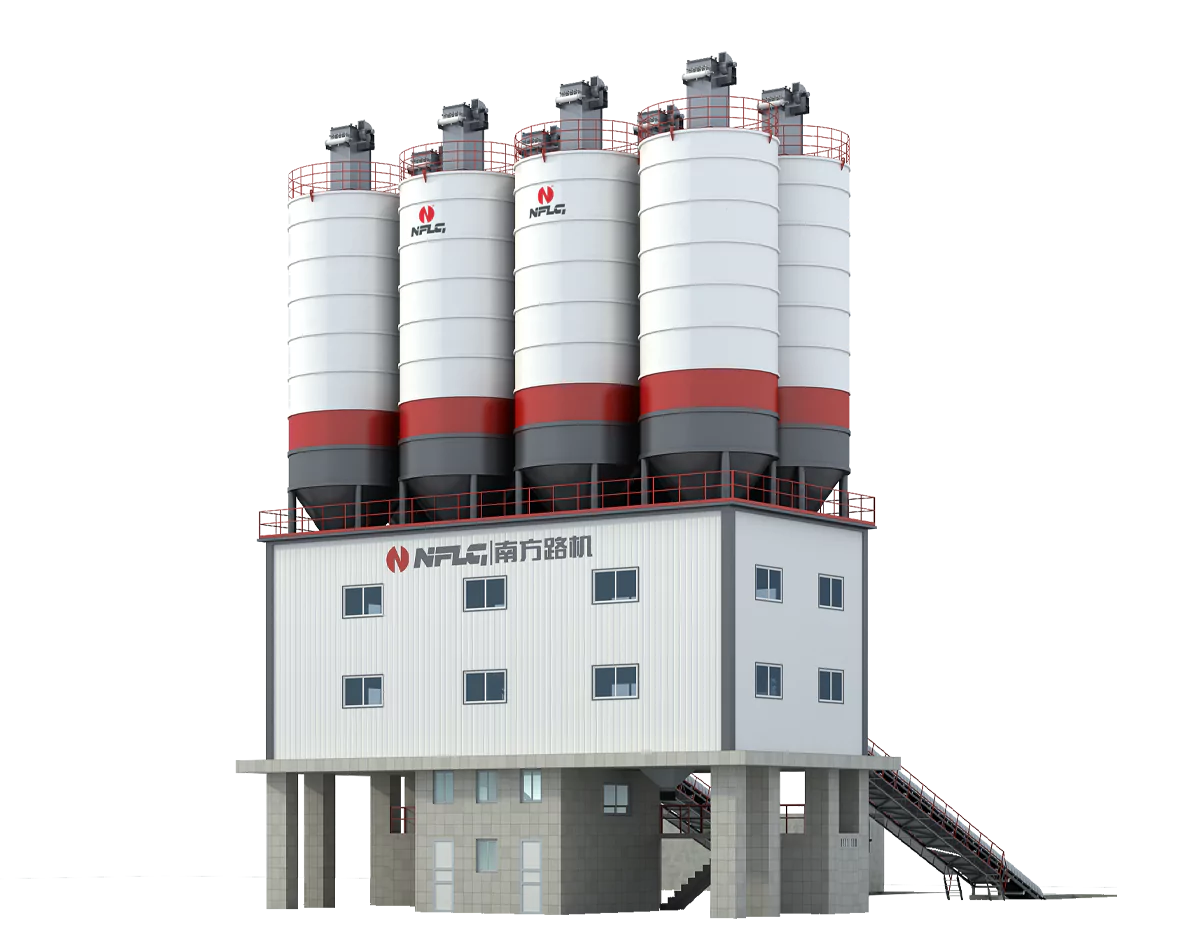
What the classification station is designed to do
The mobile aggregate classification station divides crushed mixed aggregate into two to three grades by particle size . Its design value is mobility: when the material yard location changes, the equipment can be towed as a whole to the new site rather than rebuilding a fixed production line . That framing matters for anyone comparing it against a fixed sorting line, because the unit is positioned as equipment that follows the material source rather than equipment sized for a single permanent stockyard layout .
Rated capacity versus real feed conditions
The source material gives the processing capacity as approximately a placeholder figure, and states explicitly that practical output depends on the feed particle size distribution and moisture content . In other words, the headline capacity number is a reference point, not a promise about a specific site. Buyers planning batching plant output should treat the stated capacity as conditional on the material actually being fed, and should ask what feed conditions the figure was derived from before using it for production planning .
Why the source marks the capacity as a placeholder
The approved source presents the capacity value as a placeholder rather than a verified field measurement . Because of this, no firm throughput figure can be quoted from the available material, and any capacity number used in planning should be confirmed against the supplier's own documentation for the specific configuration being purchased.
Feed particle size and inlet size limits
The source material states that the recommended feed particle size should not exceed a set ratio of the equipment inlet size . That ratio is given as a placeholder in the approved material , so the practical limit must be confirmed against the actual inlet dimensions of the unit under consideration. Oversized feed relative to the inlet is one of the boundary conditions the source calls out, alongside moisture .
Why sticky, high-moisture material needs pre-treatment
The source states that the station is not suitable for continuous processing of high-moisture-content sticky materials, and that such working conditions should be pre-treated first . This is a stated application boundary rather than a performance claim. For batching plant operators, the practical implication is that wet, cohesive aggregate falls outside the continuous-duty scope described in the source material and would need conditioning before it enters the classification step .
Matching datasheet figures to your operating conditions
The approved material lists three boundary conditions together: capacity as a placeholder value dependent on feed grading and moisture, a recommended maximum feed particle size expressed as a ratio of inlet size, and an exclusion for continuous processing of high-moisture sticky material . Reading them as a set is more useful than reading the capacity line alone, because each one describes a condition under which the stated figure applies. Where a site's material falls outside those conditions, the source directs the operator to pre-treat rather than to expect the unit to handle it as-is . Any figure not present in the approved sources — including a specific capacity in tonnes per hour, a specific inlet ratio, or a specific moisture threshold — should be requested from the supplier and verified for the intended configuration.
Frequently asked questions
- Does feed moisture affect the output of a mobile aggregate classification station?
- The approved source states that practical processing capacity depends on the feed particle size distribution and moisture content, with the capacity value itself given as a placeholder . It also states that the station is not suitable for continuous processing of high-moisture-content sticky materials, which should be pre-treated first .
- What is the maximum feed particle size the station accepts?
- The source material states that the recommended feed particle size should not exceed a set ratio of the equipment inlet size, and that ratio is presented as a placeholder value . The specific limit therefore needs to be confirmed against the inlet dimensions of the unit in question.
- Can the station be moved when the stockyard relocates?
- Yes — the source describes the equipment as able to be towed as a whole to a new site when the material yard location changes, rather than rebuilding a fixed production line . The same mobility point appears in the related source entries .
- What should be done with wet, sticky aggregate before classification?
- The source states that such working conditions should be pre-treated first, because the station is not suitable for continuous processing of high-moisture-content sticky materials . No specific pre-treatment method or moisture threshold is given in the approved material.
Sources and technical references
- SMK-100 冒烟资料(smoke-20260917T093252Z-439c50)
section: 1. 用途与边界 - SMK-100 冒烟资料(smoke-20260917T033735Z-16ace8)
section: 1. 用途与边界 - SMK-100 冒烟资料(smoke-20260917T041030Z-20e149)
section: 1. 用途与边界 - SMK-100 冒烟资料(smoke-20260917T034931Z-5b7ebb)
section: 1. 用途与边界 - SMK-100 冒烟资料(smoke-20260917T035308Z-16e376)
section: 1. 用途与边界
Access dates and edition details are recorded with the approved content package for this release.
Next step
Tell us the output you need, the mix designs you run and the space the site can give, and we will answer with the information you have to check.